Payroll Santa Rosa Beach: How to Calculate Payroll Taxes for Your Small Business in 2026
Payroll Santa Rosa Beach: How to Calculate Payroll Taxes for Your Small Business in 2026
I'm Michael with GoVirtualCPA. When I started working with small business owners across the Florida Panhandle, payroll taxes were one of the things that tripped people up more than almost anything else. Here in Santa Rosa Beach and the surrounding Panhandle communities, there are some local wrinkles worth talking through — so I figured I'd share what I've seen working with businesses in this area over the years and give you a practical framework you can actually use.
Why Payroll Taxes Matter More Than You Think in Santa Rosa Beach
Santa Rosa Beach isn't your average small business market. We've got a heavy mix of tourism-driven businesses, vacation rental operators, construction and trades, hospitality, and a growing number of professional service firms — and most of them are running lean. That means the owner is often handling payroll themselves, or they hired someone who technically knows QuickBooks but doesn't really understand the tax side. I've seen it plenty of times: books that look fine on the surface, but underneath there are missed FICA matches, late deposit penalties, or SUTA rates that were never set up correctly from the start.
The generic advice you find online about payroll works fine as a baseline, but when you're running a seasonal business in Miramar Beach or managing a small crew out of Destin or Freeport, the details matter. Payroll isn't just about writing checks — it's a recurring compliance obligation, and if you get it wrong, the IRS notices. After working with 50+ Florida Panhandle small businesses since 2017, I've learned that the business owners who stay out of trouble are the ones who understand the formula and build a consistent process around it.
The Payroll Tax Formula — Start Here Every Pay Period
Before getting into the steps, keep this formula nearby every time you run payroll:
Payroll tax formula: (Gross pay − pre-tax deductions) × tax rates
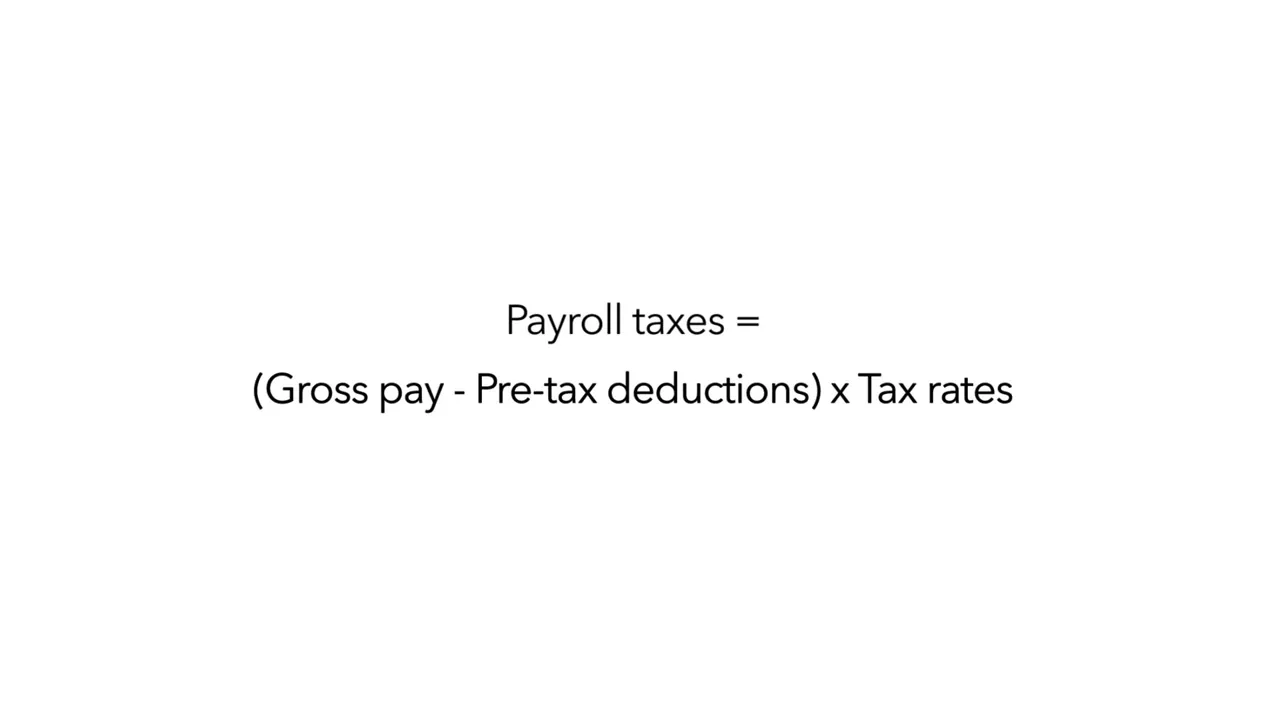
Everything flows from this. Your pre-tax deductions — things like health insurance premiums or retirement contributions — come off the top before you apply your tax rates. What's left is your taxable wages, and that's what you calculate federal income withholding, FICA, and any state obligations against. Simple concept, but a lot of people either skip the deductions step or apply it inconsistently, and that's where errors build up over time.
Six Steps to Calculate Payroll Taxes Correctly
Step 1 — Gather Employee Information
Every employee should have a current W-4 on file, and you need their pay rate, hours worked for the period, and any pre-tax deductions they've enrolled in. This sounds basic, but I can't tell you how many businesses I've stepped into where the W-4s were outdated or missing entirely — especially for long-term employees who were hired years ago and never updated their forms. If an employee got married, had kids, or changed their tax situation and didn't update their W-4, you're withholding the wrong amount. That's a problem for them at tax time, and it can create headaches for you too.
Step 2 — Calculate Gross Pay
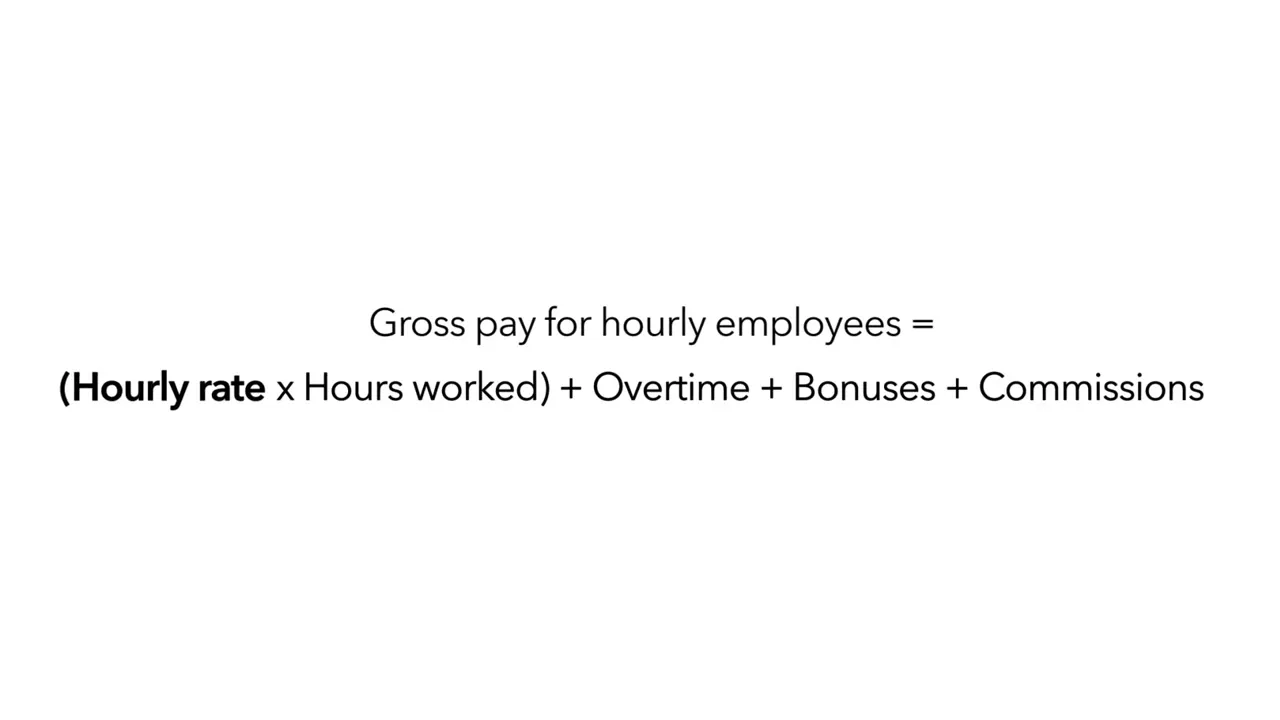
Gross pay is total earnings before anything comes out. For hourly employees, that's hourly rate times hours worked, plus any overtime, bonuses, or commissions. For salaried staff, you divide the annual salary by your number of pay periods and add any extras on top. This is your starting number — everything else in the calculation depends on getting this right first.
Step 3 — Determine Withholding Taxes
This is where you calculate what comes out of the employee's paycheck. Two main pieces here:
Federal income tax— based on the employee's W-4 and the current IRS withholding tables.
FICA taxes— Social Security at 6.2% plus Medicare at 1.45%, for a combined7.65%employee contribution. You as the employer match that same 7.65%.

One thing I want to emphasize here — the employer match on FICA is not optional. It's not something you estimate or catch up on later. It's due every pay period, on the same schedule as the employee withholdings. I've seen small businesses in Fort Walton Beach and Niceville get behind on the employer match without realizing it, and by the time it surfaced, they were looking at a significant penalty bill.
Step 4 — State and Local Payroll Taxes
Good news for businesses operating in Florida: the state has no income tax, which simplifies things compared to most other states. You won't be calculating state income tax withholding for your employees here on the Panhandle. What you do still need to account for is Florida's SUTA — the state unemployment tax — which I'll cover in the next step. For businesses with operations in multiple states, this gets more complicated, and that's where having a CPA in your corner really pays off.
Step 5 — Employer-Only Taxes: FUTA and SUTA
These two don't come out of your employees' paychecks at all — they're entirely on you as the employer.
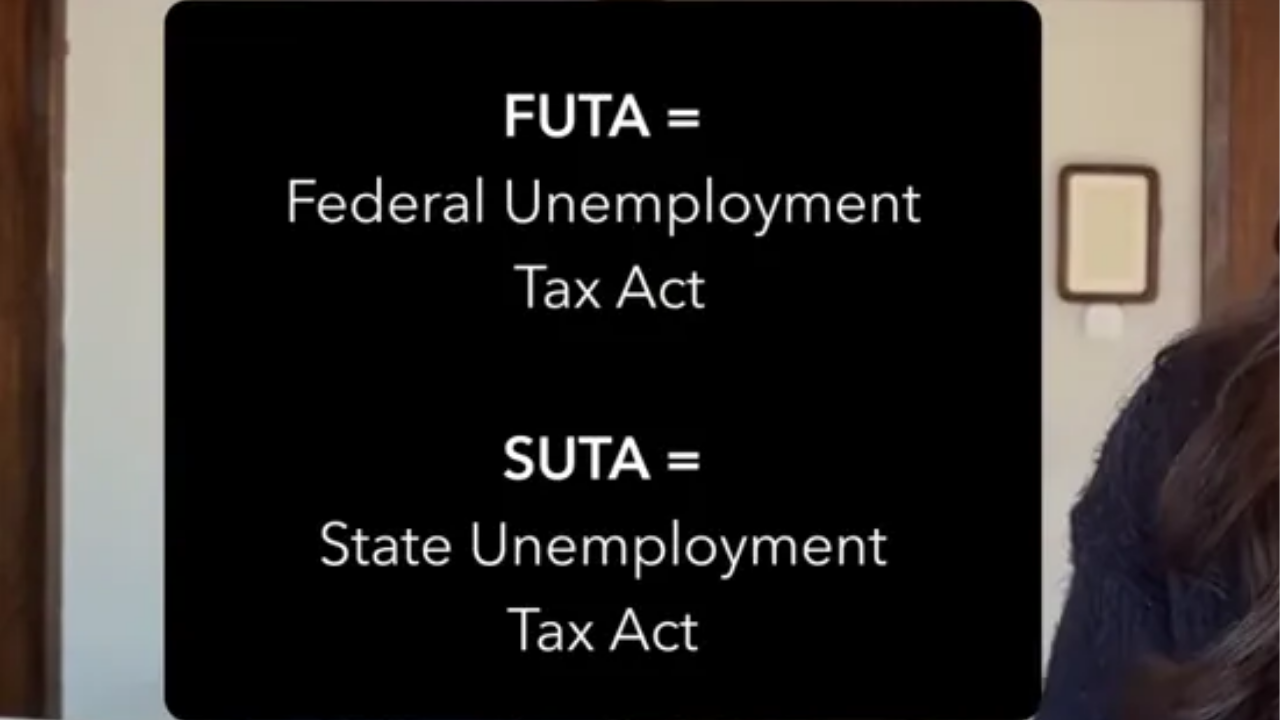
FUTA (Federal Unemployment Tax Act)— 6% on the first $7,000 of each employee's wages per year, though most employers qualify for a credit that brings the effective rate down to 0.6%.
SUTA (State Unemployment Tax Act)— Florida's rate varies based on your unemployment experience rating as an employer. New employers start at a set rate and it adjusts over time.
These have their own wage bases and filing schedules separate from your regular payroll tax deposits. For seasonal businesses in Santa Rosa Beach and Destin — especially hospitality and tourism — where you might be hiring and laying off staff with the seasons, keeping FUTA and SUTA squared away is especially important. Your unemployment rate can go up if former employees file claims, so this isn't just a compliance issue, it's a cost management one.
Step 6 — Review, Deposit, and File on Time
Before you file anything, reconcile your totals. Paychecks, deposits, and your payroll reports should all match. Most small businesses deposit payroll taxes on either a monthly or semi-weekly schedule based on their total payroll tax liability — the IRS assigns your deposit schedule, and it can change from year to year. Missing a deposit deadline, even by a day, can trigger penalties. With a 99% client retention rate, I'd like to think part of why our clients stick around is because we help them stay on top of exactly this kind of deadline.
For the businesses we handle payroll processing for in Freeport, Crestview, Panama City, and across the Panhandle, we run everything through Gusto — we're Gusto People Advisor Certified — and it automates the deposits and filings so nobody's scrambling. But whether you use software or handle it manually, the review step before filing is non-negotiable.
Common Payroll Mistakes I See from Panhandle Small Businesses
After years of working with businesses from Pensacola to Panama City Beach, the same mistakes come up over and over. I'm not saying this to call anyone out — most of these happen because the business owner is wearing ten hats at once and payroll is just one more thing on the list.
Skipping pre-tax deductions.If an employee contributes to a health insurance plan or a retirement account, that comes off before you calculate taxes. I've seen businesses calculate FICA on the full gross pay when they shouldn't — it adds up.
Outdated W-4s.Employee tax situations change. New hires, life changes, nothing gets updated. Then tax time comes and the withholding was wrong all year.
Forgetting the employer FICA match.The employee contribution gets withheld automatically if you're using software, but the employer match is easy to lose track of when you're doing things manually.
Missing deposit deadlines on the FUTA side.People remember the regular payroll tax deposits, but FUTA has its own quarterly deposit requirement that slips through the cracks more than you'd think.
Treating payroll like an afterthought during busy season. Here in Santa Rosa Beach and along 30A, a lot of businesses go from a skeleton crew to full staff in a matter of weeks. Adding employees mid-season while managing everything else is when errors sneak in.
Your Payroll Tax Checklist for 2026
Confirm all employee W-4s are current and on file.
Calculate gross pay accurately — include overtime, bonuses, and commissions.
Subtract qualified pre-tax deductions before applying tax rates.
Withhold federal income tax per IRS tables and employee W-4 elections.
Calculate employee FICA (7.65%) and match it as the employer.
Track FUTA and SUTA separately — know your Florida SUTA rate and wage base.
Deposit taxes by your assigned IRS deposit schedule.
Reconcile payroll records before filing quarterly and annual forms.
Keep a calendar of federal and state filing deadlines — 941s, 940s, W-2s, and Florida RT-6.
If any of this starts to feel like a lot, that's because it is. Payroll compliance has a lot of moving parts, and the cost of getting it wrong — penalties, interest, back taxes — almost always exceeds what it would have cost to just get it right from the start.
Ready to Hand Off Payroll for Good? GoVirtualCPA Can Help.
I'm Michael McFarlane, and my wife Dawn and I run GoVirtualCPA — a virtual CPA firm that has been working exclusively with Florida small businesses since 2017. We handle payroll processing, bookkeeping, tax preparation, and compliance for business owners across the Panhandle who'd rather spend their time running their business than worrying about whether their FUTA deposit was on time.
With 40+ years of combined CPA experience, a 99% client retention rate, and 120+ businesses served, we know what small business payroll actually looks like in this market. We're Gusto People Advisor Certified and can set up and manage your entire payroll system — or step in and clean up what's already in place. We work virtually, so there's no commute and no office visits required. Just clear communication and accurate, on-time work every month.
We serve businesses throughout:
Santa Rosa Beach & the 30A Corridor
Freeport
Destin
Miramar Beach
Fort Walton Beach
Niceville
Crestview
Panama City & Panama City Beach
Pensacola
DeFuniak Springs
And throughout the Florida Panhandle
If you're tired of doing payroll yourself or you're not confident your current setup is actually compliant, let's talk. We offer a free initial consultation to review where things stand and put together a custom service package.
📞(850) 787-9135
🌐govirtualcpa.com
📧[email protected]
Note:This post is based on practical experience working with Florida small businesses and is intended for general informational purposes only. It is not tax, legal, or accounting advice. Every business situation is different — reach out to a licensed CPA for guidance specific to yours.
